

Mallorcan clothing from the 19th century reflects the social and cultural life of the island through its fabrics, colours and patterns. Silk skirts, tight-fitting waistcoats, embroidered head coverings and baggy breeches were part of a deeply meaningful wardrobe. Based on portraits and old clothes, recovering these pieces allows us to understand how Mallorcans from that era really dressed.
Clothing in 19th-century Mallorca was the result of centuries of cultural influences and social transformations. After the arrival of new styles from Europe—first from the mainland, then from France and England—the fabrics and patterns used evolved without losing their roots in everyday life on the island. Cotton, wool, linen and silk existed alongside chintz, a printed cotton popular among the working classes. Women wore a combination of wide skirts, tight-fitting waistcoats known as gipones, petticoats and head coverings called rebosillos, while men wore baggy breeches, traditional shirts and girdles to protect their backs while working in the fields. How people dressed was not static: it depended on their family economy, access to materials and the fashions that slowly made their way to Mallorca. To understand how this aesthetic identity was shaped, it is important to see these garments as they were, before the commodification of tradition in the 20th century simplified a much more diverse and complex legacy.
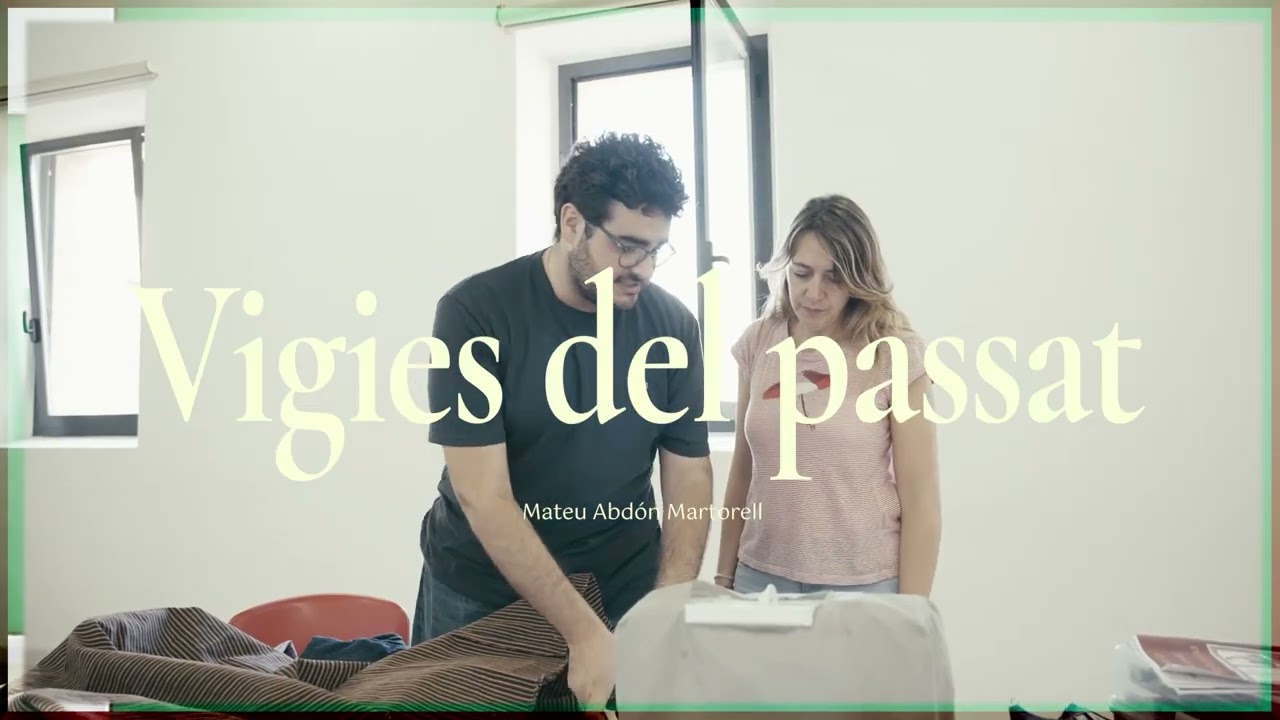
In this video, we meet Mateu Abdón Martorell, a young self-taught seamster who has undertaken an exceptional project: to reproduce 19th-century Mallorcan clothing exactly as it was. By examining portraits, photographs and old garments, he has managed to recreate fabrics, stitches, patterns and forms of dress faithful to the period, giving rise to more than twenty outfits presented in the De Bell Nou exhibition. His embroidery skills, meticulous research and commitment to spreading the craft—by offering sewing classes and collaborating with folkloric groups—are breathing new life into a textile heritage that few people know much about. Mateu not only makes clothes: he rescues heritage, preserves identity and demonstrates that the past can still engage with the present when worked with respect and passion.
News and Articles on Sustainable Tourism


