

For generations, the manufacture of handmade knives has been an essential craft in Mallorca’s rural and seafaring life. From trinxets to shepherd's knives, each piece serves a specific function and captures age-old know-how preserved through small family-owned workshops. Today, this tradition survives thanks to a few craftsmen who preserve these handmade techniques.
For more than a century, traditional knives have been a core part of Mallorca’s productive and cultural identity. In family-owned workshops, the metal has always been worked with patience: marking the pattern, forging the blade in the fire, tempering it to ensure strength and sharpening it by hand until the perfect cut is achieved. Handmade knives were not just essential tools for peasants and fishermen, but also objects connected to daily life, local trades and the rhythms of the countryside. Over time, mechanisation and mass production have sadly overtaken these workshops, and there are increasingly fewer craftsmen left who can make a knife from start to finish using traditional techniques. Even so, the demand for unique custom pieces imbued with history is preserving a craft that combines utility, beauty and heritage.
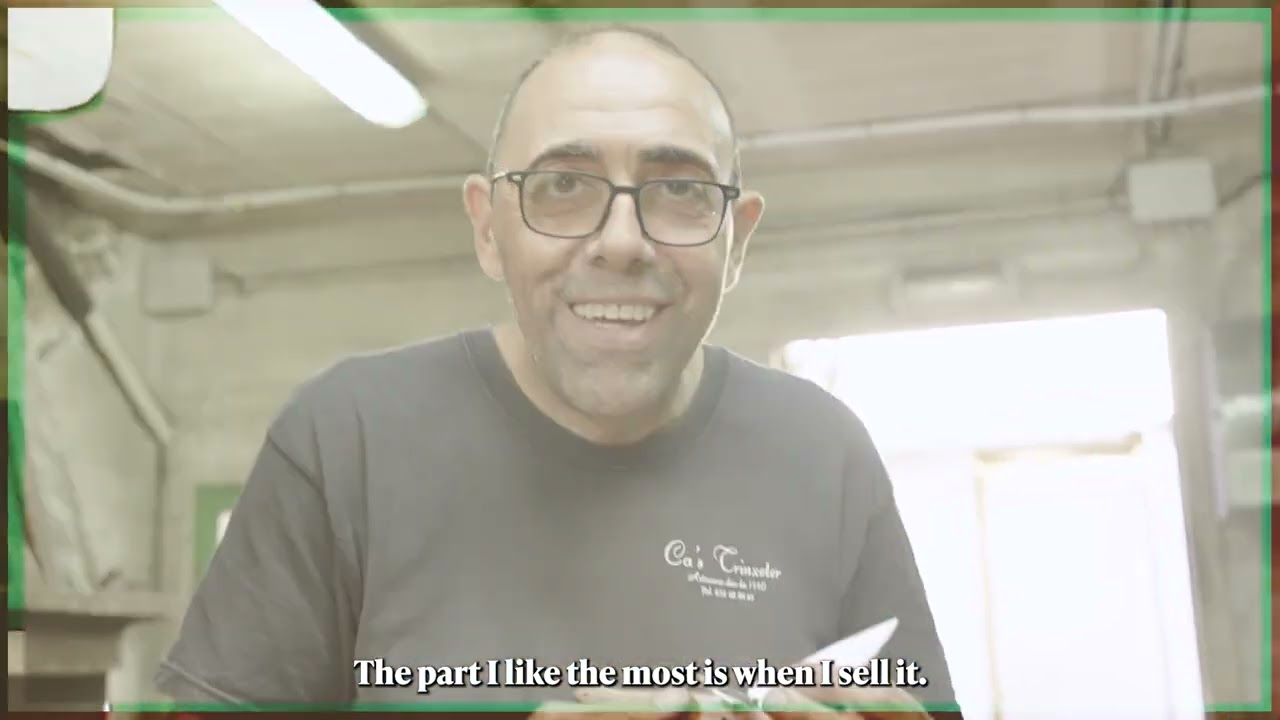
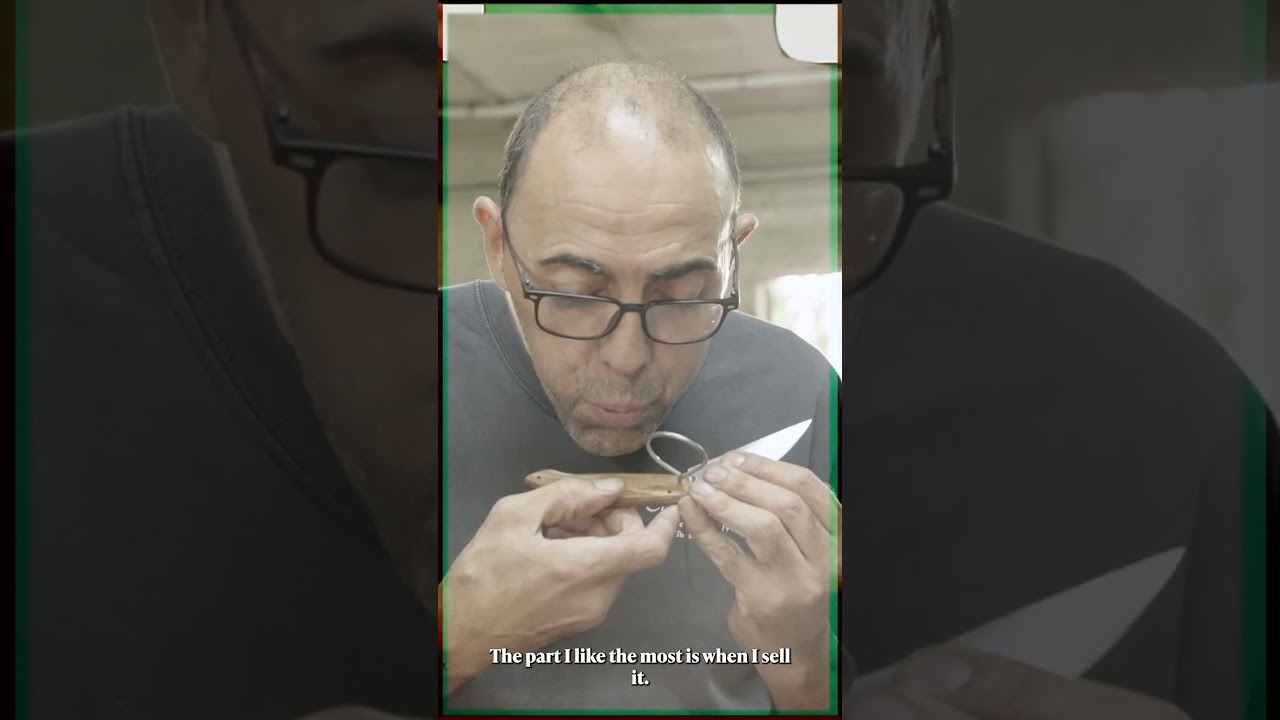
In this video, we meet Biel Miralles, a knife maker (trinxeter) and the fourth generation at the head of Cas Trinxeter, a workshop with more than 150 years of history. With more than three decades of experience, Miralles continues the tradition learned from his father, grandfather and great-great-grandfather who began the trade in Sineu around 1900. From his workshop in Muro, he makes small farming knives known as trinxets, shepherd's knives, Mallorcan pocket knives and custom pieces for collectors and customers from the island and abroad. His process is completely handmade: he forges, tempers and sharpens each blade by hand, following the traditional rhythm of craftsmanship—tira-tira i bona lletra—that no industrial process can replicate. As well as selling at fairs and markets, he repairs old tools and promotes a trade that he believes is in danger of disappearing. His work combines technique, respect for his ancestors and the satisfaction of creating unique pieces that last for years.
News and Articles on Sustainable Tourism


