


Pablo Mielgo has been the artistic and music director of the Orquestra Simfònica de les Illes Balears (OSIB) since 2014. Under his baton, the ensemble has grown artistically and socially, bringing classical music to new audiences. Now, it’s celebrating a huge milestone: the future ‘Caixa de Música’, the orchestra’s first permanent home, which promises to transform its reach on every level.


What does it mean for the orchestra to finally have its own hall?
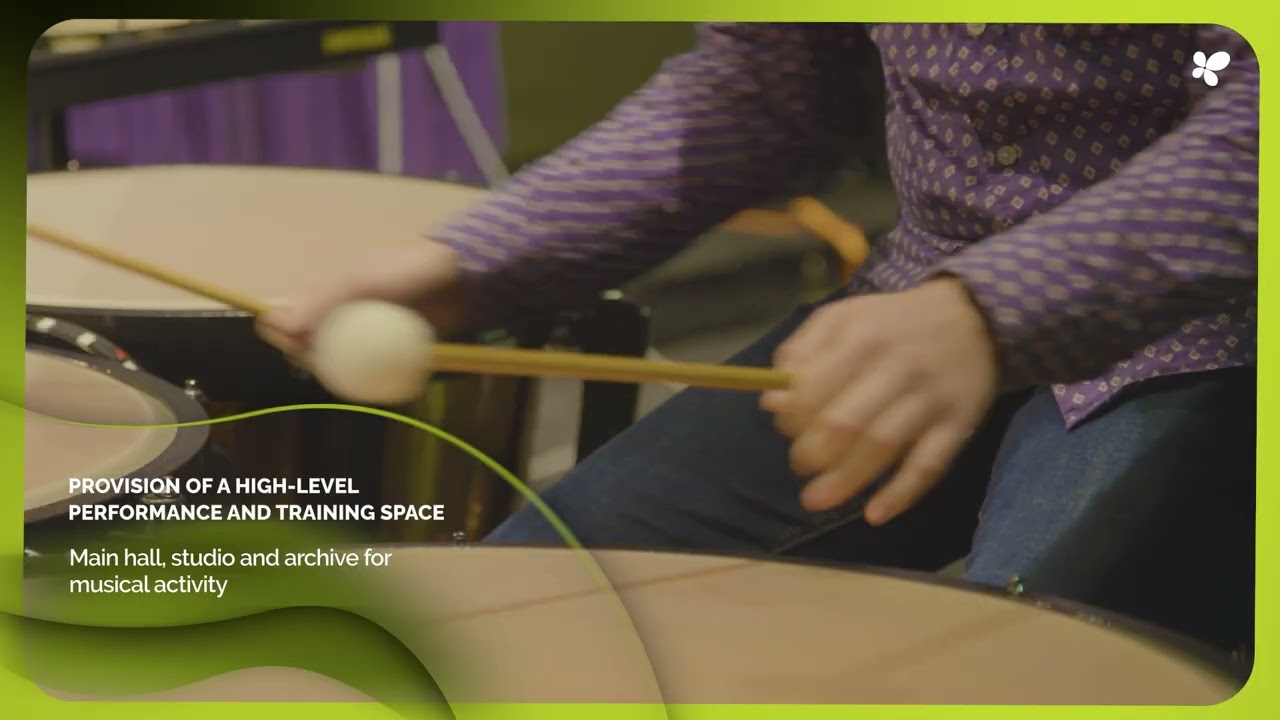
It’s a vital change. It's like if anyone else finally had their own home. In our case, it means we can host people, work on projects that are currently not possible, give musicians an identity of their own, offer private rehearsal spaces, archives, offices, etc. It also sends a very important cultural message to the islands and to the international community.
How has the orchestra worked so far without its own hall?
We rehearse in one place, have our offices in another and concerts all over. All this means costs, logistical issues and artistic difficulties. It’s not the same working on our sound in a different place every week. With this venue, for the first time, everything will be in one place. This is a big step.
And when will it be ready?
I don’t have the exact date because I don’t deal with that part, but we hope it’ll be finished by the end of this parliamentary term.
How will it change the orchestra’s day-to-day?
It’ll change everything. Having everything in one place will solve lots of logistical issues. We’ll be able to plan better, work on more educational and social programmes, invite more schools and associations... things we can’t do now because we don’t have the space.
What social role will this new space have?
It’ll play a hugely important role, benefitting all the islands. Thanks to its technological equipment, Caixa will be able to broadcast live across Mallorca, Menorca, Eivissa and Formentera. Also, for Palma it’ll become a music centre, hosting social and educational programmes together with activities by other organisations. Finally, we’ll be able to host, not just be hosted.
What kind of additional activities would you like to offer?
There are so many. We’ll have a hall with 110 seats, ideal for outreach projects, chamber music, debates and such. And in the large hall, we’ll be able to welcome children and groups every week. It’s a versatile space that gives the orchestra a new image.
Will you also be able to create digital content?
Yes, Caixa has a very advanced technological infrastructure. It still needs to be budgeted for, but when it’s complete, it’ll be the first of its kind in Europe. We’ll have cameras, editing rooms, connection to the park outside... not just for the OSIB, but also for local and international ensembles.
What kind of audience are you looking to attract in this new era?
We want a more diverse audience. From our traditional season ticket holders to new audiences interested in other formats: cinema, other kinds of music, new technology, etc. Our schedule will become more varied, and so will our audience.
Will you be able to reach younger generations?
Yes, although it’s not something that happens just like that. Orchestral music always sees a generational shift. As generations grow older, they approach music in a different way. But it’s true that this new infrastructure, thanks to its advanced technology, will allow us to reach younger audiences.
What message does this venue send out to the nation?
It’s a firm institutional commitment to the orchestra and to making it a cultural centre for the islands. At the national level, it’s a groundbreaking initiative. It shows that important things are being done here.
Will it have an impact on cultural tourism?
Yes, a huge impact. It means we can offer activities that were previously unthinkable. We can form new partnerships with European institutions, festivals, etc. It also helps to offer more cultural activities throughout the year. When Caixa opens, we’ll be the rulers of our own schedule for the first time, meaning the activities we offer will be completely different.
Will it also improve your relationship with other orchestras?
No doubt about it. Before, we relied on third parties, and that made organisation difficult. Now, having our own hall will allow us to make our own decisions and grow artistically.
How do you imagine the first concert at Caixa de Música?
We’ve fantasised about it a lot. I think that day should showcase all that Caixa has to offer: our choir, iconic repertoire, and all the potential that this space has. It’ll be an iconic moment in the orchestra’s history.


The Caja de Música will house the artistic and management activities of the FOSIB
Govern de les Illes Balears
Mallorca
5.079.615 €

The Sustainable Tourism Tax (ITS) fund is driving the final phase of the Caixa de Música project, a cultural landmark in Palma
Conselleria de Turisme, Cultura i Esports
Mallorca
7.547.000 €


Provision of basic infrastructures for rehearsals of the Balearic Islands Symphony Orchestra
Govern de les Illes Balears
Mallorca
1.000.000 €
News and Articles on Sustainable Tourism


