

Talayots are one of the great archaeological enigmas of the western Mediterranean. Their size, building technique and presence throughout the Balearic Islands are evidence of a society that reached a remarkable level of complexity. Through these prehistoric monuments, we can reconstruct how Talayotic communities lived, what they believed and how they related to each other more than three thousand years ago.
The Talayotic culture represents one of the most fascinating chapters of the Balearic Islands’ past. Talayotic walled settlements, imposing truncated cone-shaped towers and their associated ritual spaces show the evolution of communities who, between 1000 and 500 BC, developed an unparalleled monumental architecture on the island. Talayots, whether circular or square-shaped, acted as the symbolic and functional heart of the settlement: watchtowers, community spaces, places for redistributing foodstuffs and even the setting of group celebrations. Their presence, scattered throughout the Pla, the Llevant and other areas of Mallorca, speaks of a land that functioned based on resource management, agricultural life and an increasingly complex social structure. Today, these sites remain key to understanding the origin of Mallorcan identity and the dialogue between landscape, architecture and collective memory.
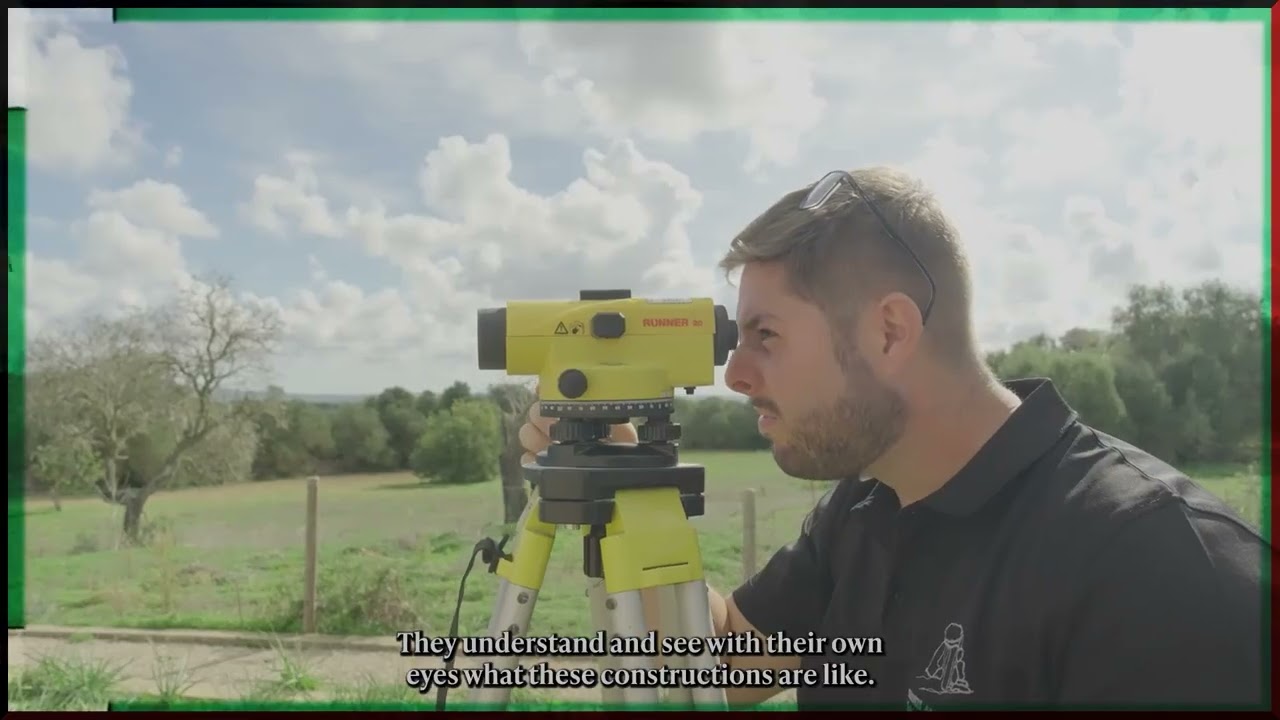
In this video, we meet Sebastià Amer, an archaeologist leading conservation work at the Talayot of Es Baulenes located in Porreres. His work focuses on preserving and restoring this monument through regular campaigns for cleaning, removing invasive vegetation and repositioning fallen stones, which requires the crucial support of volunteers and experts. Amer combines research with outreach work, offering guided tours that bring archaeology closer to the public and show the importance of keeping these places alive and accessible. His work, in line with the Porreres Archaeological Project, demonstrates how local commitment can restore the lost majesty of the Talayots and ensure they form part of the island’s cultural future.
News and Articles on Sustainable Tourism


